
I read the Clippers ruling twice and felt nothing but the old tiredness. The NBA handed down its Kawhi Leonard verdict Wednesday, and I knew the shape of it before I reached the numbers, because this franchise wrote the template twenty-six years ago.
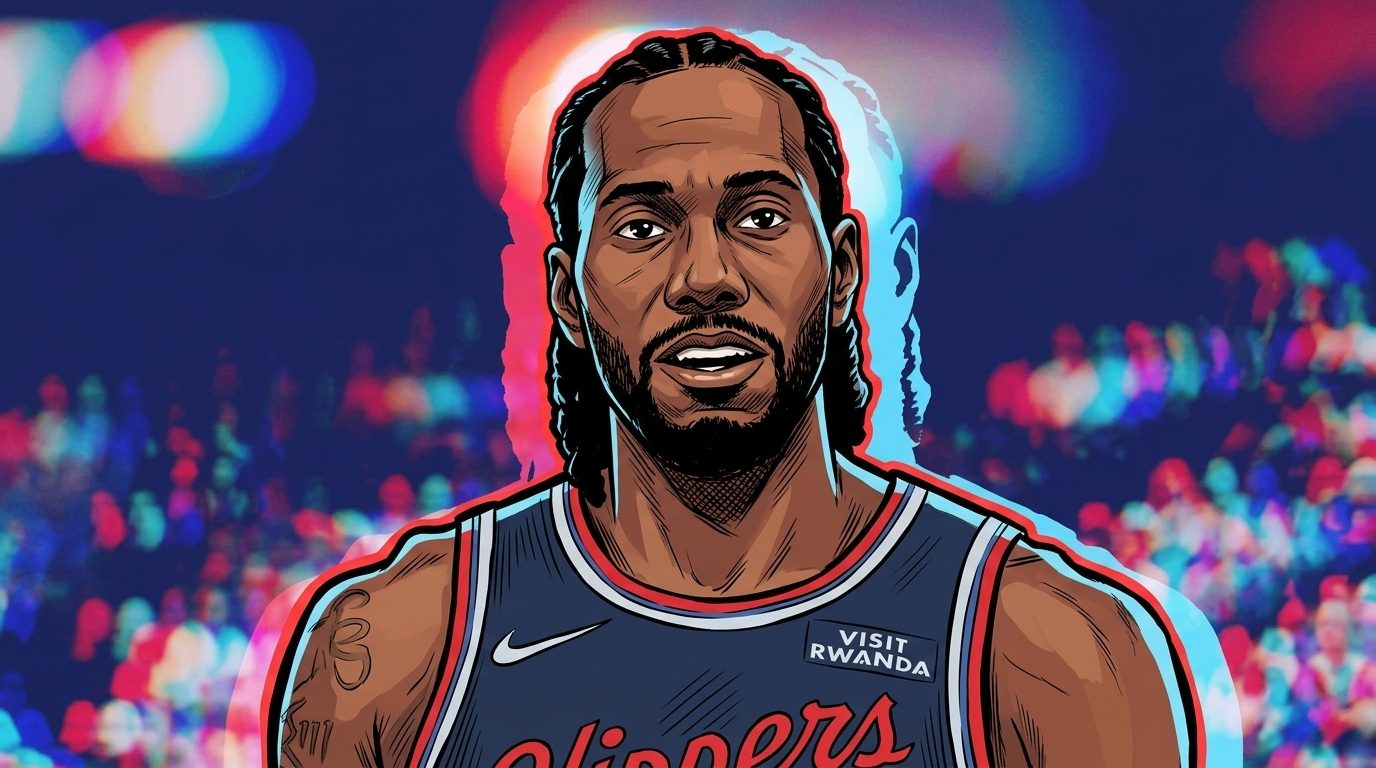
Start with what the league did to the Clippers, and I will grant it looks like a hammer: five first-round picks gone from 2029 through 2033, a $30 million fine, and owner Steve Ballmer suspended for a year for, in the league’s words, “knowingly seeking to help Mr. Leonard obtain off-court income opportunities.” Two more executives went down with him. Investigators found the team steering Leonard toward endorsement money from a rotating cast of corporate partners, Aspiration among them, in exchange for team business, then covering his personal expenses on top of it.
Adam Silver, in the league’s official statement, called it the Clippers’ “institutional and leadership failures.” The Clippers called it a “heavily biased investigation seeking to justify a predetermined narrative.” Of course they did. None of this reached the public until Pablo Torre reported the Aspiration arrangement, and the yearlong investigation followed from there.
https://x.com/PabloTorre/status/2089510160481890685
Now here is the founding document, the one every Wolves fan over thirty has memorized. In 2000, David Stern caught this franchise hiding a secret handshake with Joe Smith, reported to be worth as much as $86 million, behind a stack of one-year contracts worth pocket change, and he did not settle for a fine and a letter. He voided Smith’s deal. He stripped the man’s Bird rights. He took five first-round picks. Two of them came back years later; three never did. He levied a $3.5 million fine. He suspended Glen Taylor. He forced Kevin McHale out of the building for a season. Stern wanted a body, and he took one.
Ask whether justice looks the same in both cases, then look at who actually bled. In 2000, the player lost the most. Joe Smith had his contract torn up and his rights stripped, collateral in a scheme he did not design, and he ate all of it. In 2026 the player at the dead center of the thing keeps every dollar of his contract and serves zero games. He pays a $700,000 fine, the kind of money a man on a max salary finds in the couch cushions, and then lands in Toronto — the trade the Raptors agreed to on June 30 and parked until the league ruled.
Then there are the picks. When Stern took Minnesota’s, he took them just as Kevin Garnett was entering his prime, right off the top, and hollowed out the only real title window this state had ever had. The Clippers do not surrender a single pick until 2029. This from a team that went 42-40 and missed the playoffs in 2025-26, ninth in the West; a late first-rounder in 2029 from a non-contending team does not come at the same cost. That is not a punishment aimed at the guilty. It is a punishment aimed at the future, which is the safest place to aim one, because the future cannot file a goddamn appeal.
The part that actually gets me is the one nobody in the league office will say into a microphone: every one of these cases runs on the same engine. Real money reaches a player through a side door dressed up as an endorsement, a favor, a no-show consulting gig. The Wolves used contracts. The Clippers used sponsors. My grandfather taught me the fine print is where they get you, and it always lands on whoever is still in the building when the bill comes due, long after the men who wrote it are gone.
So think about the family up in Hibbing. They watched the Garnett years, the best basketball this state has ever produced, get quietly kneecapped by three draft picks the league took for a crime the owner and the GM committed. The fans served the sentence. That is the Timberwolves’ true inheritance from a cap scandal: the bill, arriving long after the shame wore off. And the league is about to mail the Clippers’ version of that same bill to some kid in Los Angeles in 2029 who was in middle school when this shit happened.
Justice served? The league served a document. Whether it served justice depends entirely on whether you are the one who writes the check or the one still paying it off in 2033.